Send your ads to a landing page built for that ad, not to your home page. A home page has to serve everyone, while a landing page matches one search, one offer and one next step. The exception is when someone searches for your business by name: then your home page is often the right place.
Key takeaways
- A landing page is the page someone lands on after clicking an ad, built around that ad’s offer.
- Google advises choosing a landing page that closely matches your ad and keywords.
- Better quality can lower what you pay per click, according to Google.
- Your best service page can often double as the landing page.
What is a landing page?
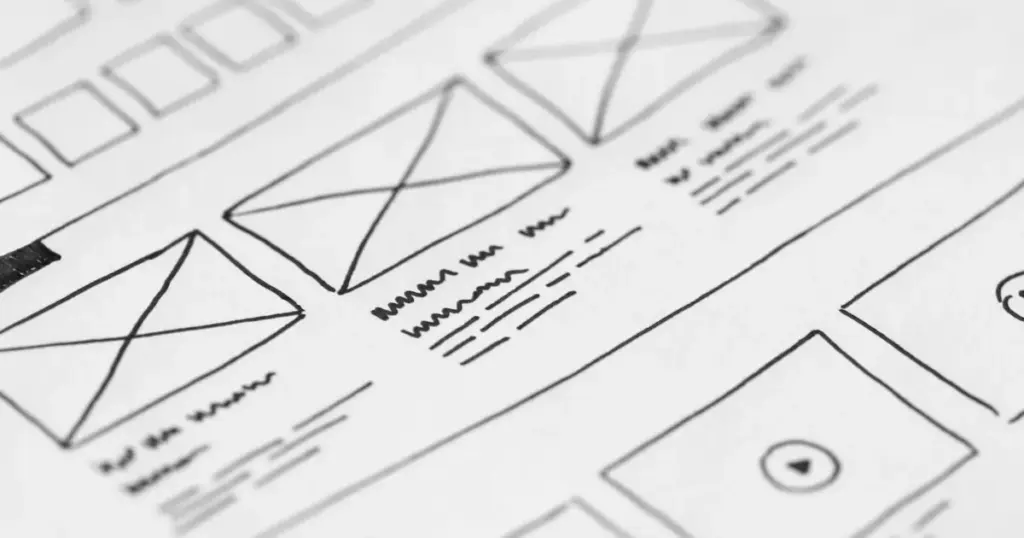
A landing page is any page a visitor arrives on from an ad, email or social post. In marketing, the term usually means a page made for one campaign. It has one message, one offer and one action, such as “Book a free quote” or “Call now”.
Your home page is different. It introduces the whole business to everyone: new customers, returning ones, job seekers and suppliers. That makes it a good front door, but a poor destination for someone who just clicked an ad for “emergency hot water repair Ipswich”.
Why does sending ads to your home page waste money?
When someone clicks an ad, they expect to see what the ad promised. If they land on a general home page, they have to hunt for it. Many won’t, and you’ve still paid for the click.
Google’s own advice is to “choose a landing page that closely matches your ad and keywords”, in its guide to optimising ads and landing pages. Landing page experience is part of how Google judges ad quality. Its Quality Score guide defines it as “how relevant and useful your landing page is to people who click your ad”.
That has a direct cost. Google’s explanation of Ad Rank says “higher quality ads can often lead to lower CPCs”, meaning a lower cost per click. A relevant landing page can help you pay less for each visitor, and convert more of them.
| Home page | Landing page | |
|---|---|---|
| Purpose | Introduce the whole business | Turn one type of visitor into an enquiry |
| Audience | Everyone | People who clicked one ad or campaign |
| Links | Full menu and many paths | Few distractions, one main action |
| Message | Broad | Matches the ad’s words and offer |
| Best for | Brand searches and direct visits | Paid ads, email campaigns and promotions |
When is your home page the right place to send people?
Sometimes the home page is the best match:
- Brand searches. Someone searching your business name wants you, not a specific offer.
- A business with one service. If your home page is already about one thing, with a clear call to action, it works as a landing page.
- Awareness campaigns. If the goal is introducing the business rather than an enquiry, a broad page makes sense.
For everything else, match the page to the ad.
What makes a good landing page?
Google’s ad guidance asks you to provide “useful, original information” about what you’re advertising, and to “make it easy to contact you”. In practice, a landing page that works has:
- A headline that echoes the ad. If the ad says “Same-day blocked drain repairs”, so should the page.
- One clear action. A phone number, a short form or a booking button, repeated down the page.
- Proof. Real reviews, photos of your work and any licences or memberships that matter in your trade.
- The details people need to decide. Where you work, what it costs or how pricing works, and what happens after they get in touch.
- Speed on mobile. Deloitte found a 0.1-second faster mobile site lifted retail conversions by 8.4%, in research published by web.dev.
A slow or cluttered page undoes the work of a good ad. Our website speed and improvement work can fix that on an existing WordPress site.

Do landing pages help or hurt SEO?
A landing page built only for ads doesn’t need to rank in Google. But often your best landing page is a strong service page that already does both jobs. It answers the search, shows proof and asks for the enquiry, whether the visitor came from an ad or from Google.
That’s why we suggest starting with good service pages. Our guide to SEO for small business in Australia explains how to build them, and schema markup for small business helps Google read your details.
How many landing pages do you need?
Start with one for each service you advertise, and one for each special offer. If you run ads in several areas, a page per area can help, as our local SEO checklist explains.
The same pages work for other channels too. A newsletter promoting a winter special should link to a page about that special, not your home page. Our guide to email marketing for small business in Australia covers that side.
Test one change at a time, such as the headline or the form length, and compare enquiries over a few weeks. Small gains add up when you’re paying for every click.
Who should build your landing pages?
If your site runs on WordPress, you or your web designer can usually build landing pages with the tools you already have. What matters more is the thinking: the right message for each ad, proof that answers doubts, and tracking so you know which pages bring enquiries. If you’d like that done for you, our design and marketing from the Next Level Creative family covers campaigns, landing pages and the website behind them.
Frequently asked questions
What is the difference between a landing page and a home page?
A home page introduces your whole business to every kind of visitor, with a full menu and many paths. A landing page is built for people arriving from one ad or campaign. It matches their search, makes one offer and asks them to take one action.
Should Google Ads go to my home page?
Usually not. Google advises choosing a landing page that closely matches your ad and keywords. The main exception is ads for your own business name, where the home page is what people expect to see.
Can a landing page be part of my website?
Yes, and it usually should be. Building landing pages on your own website keeps your branding, tracking and domain consistent. You can hide the main menu on ad-only pages to reduce distractions, while keeping your contact details easy to find.
How long should a landing page be?
Long enough to answer the questions people have before they get in touch. A simple, urgent service may need a short page with a phone number. A bigger purchase needs more detail, proof and answers to common worries, with the call to action repeated.



Sources
- Optimize your ads and landing pages, Google Ads Help
- About Quality Score for Search campaigns, Google Ads Help
- About Ad Rank, Google Ads Help
- Milliseconds make millions, web.dev (Deloitte research, 2020)